
Electrolyzer Design & Sizing
Stack sizing, degradation curves, BOP design, PEM, alkaline, and SOEC compared at commercial scale.
2 articles
 Electrolyzers
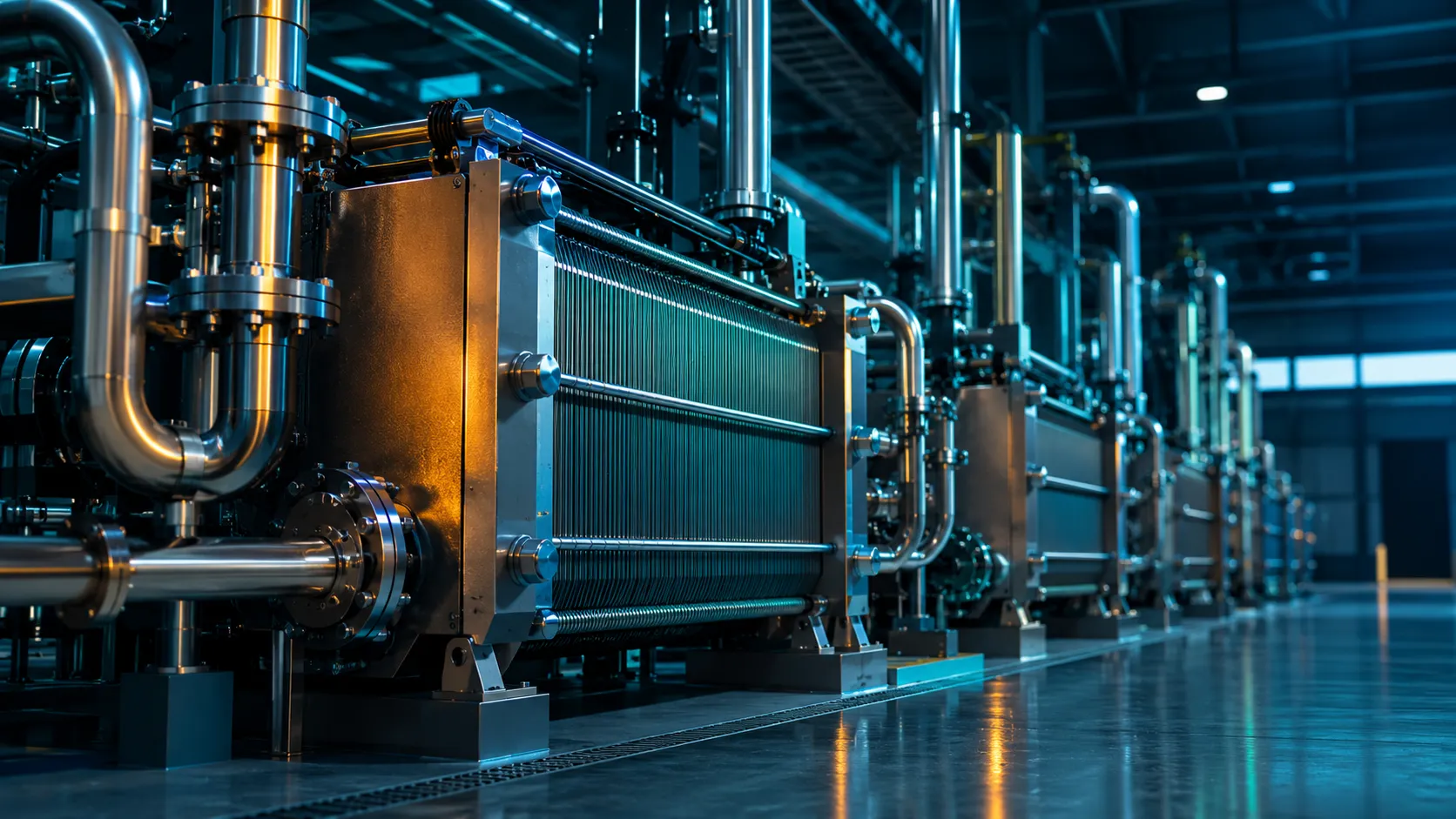
Electrolyzer Degradation Rate: What 0.05% per 1,000 Hours Means for Your Project
Electrolyzer degradation rates by technology, why stop-starts speed up stack ageing, and how degradation moves LCOH, with sourced data for project teams.
 Electrolyzers
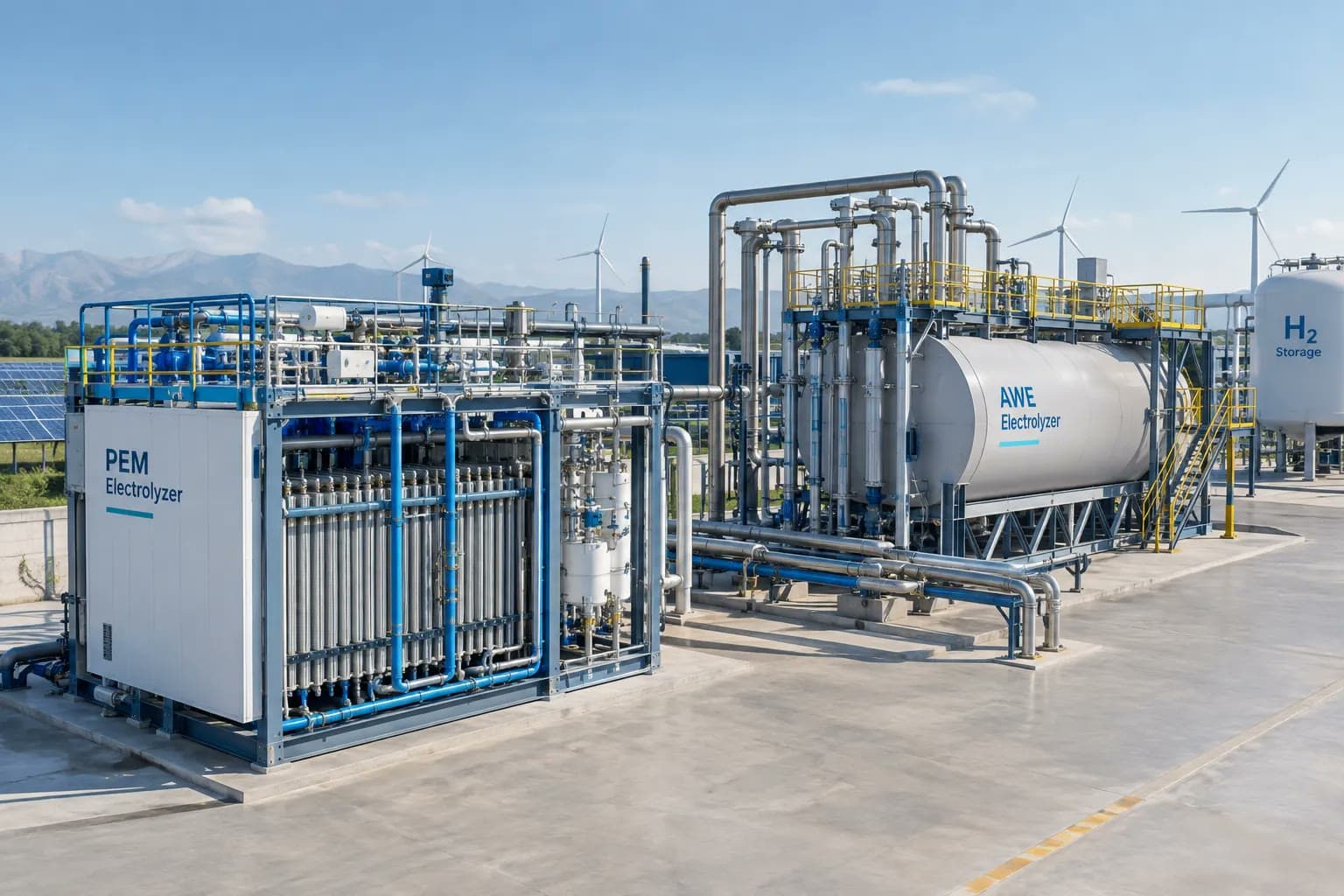
AWE vs. PEM for Utility-Scale Green Hydrogen: Which Technology Wins at 50, 200, and 500 MW?
A rigorous engineering comparison of alkaline and PEM electrolysis at 50 MW, 200 MW, and 500 MW - covering CAPEX, stack lifetime, iridium supply risk, and the four numbers that actually drive the technology decision at pre-FEED.
About Electrolyzer Design & Sizing
The electrolyzer is the largest single piece of equipment in a green hydrogen plant. The choices made around it set efficiency, lifetime and how the plant copes with variable power. This category covers technology selection, sizing and how stacks age.
AWE vs PEM at 50, 200 and 500 MW compares alkaline and PEM electrolysis at utility scale, including CAPEX, stack lifetime and iridium supply risk. Electrolyzer degradation rate compares degradation rates by technology, explains why stop-starts speed up stack ageing, and shows how degradation moves LCOH.
Sizing an electrolyzer is never done in isolation. Its minimum load, its efficiency at part load and the renewable profile feeding it all interact, which is why a technology that wins on a datasheet can lose on a real site. Model the stack together with its power supply, not on its own.
The glossary covers the building blocks: alkaline water electrolysis, PEM electrolysis, solid oxide electrolysis, the polarization curve, stack degradation and minimum load. Each entry gives a sourced definition and explains why the term moves LCOH.