
LCOH & Project Economics
Levelized cost modeling, CAPEX/OPEX benchmarks, Monte Carlo uncertainty, and financial structuring for green hydrogen projects.
4 articles
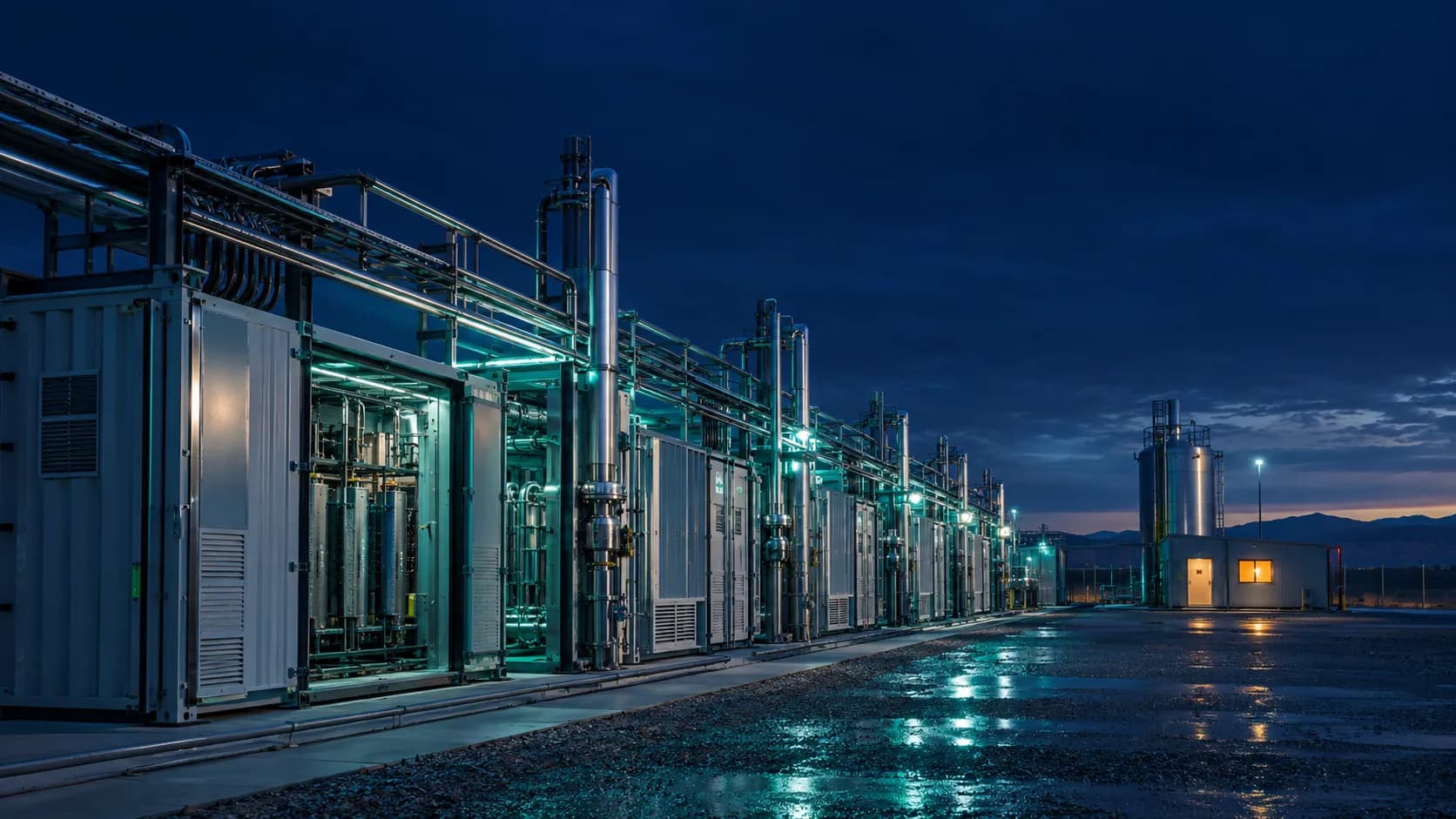 LCOH
European Hydrogen Bank Auction Results: What €0.44/kg Bids Mean Before IF26
Most Hydrogen Bank winners bid under €1/kg, yet most second-round capacity never signed. What the auction results mean, and how to price your IF26 bid.
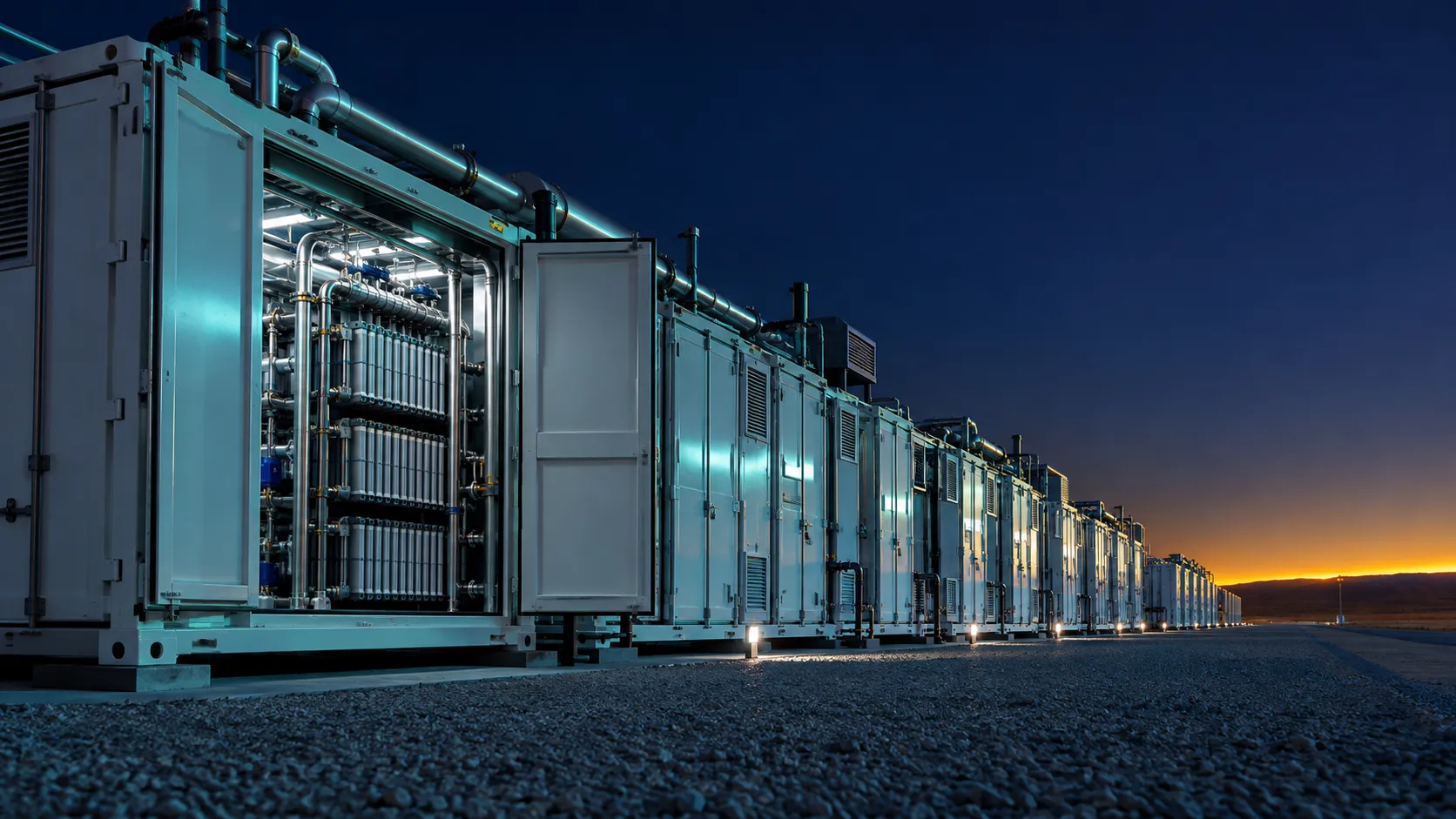 LCOH
Chinese Electrolyzers: What the Price Gap Really Means for Your LCOH
Chinese alkaline electrolyzers cost far less ex-factory, but the gap shrinks to about a third once installed. Here is what that means for LCOH and EU auctions.
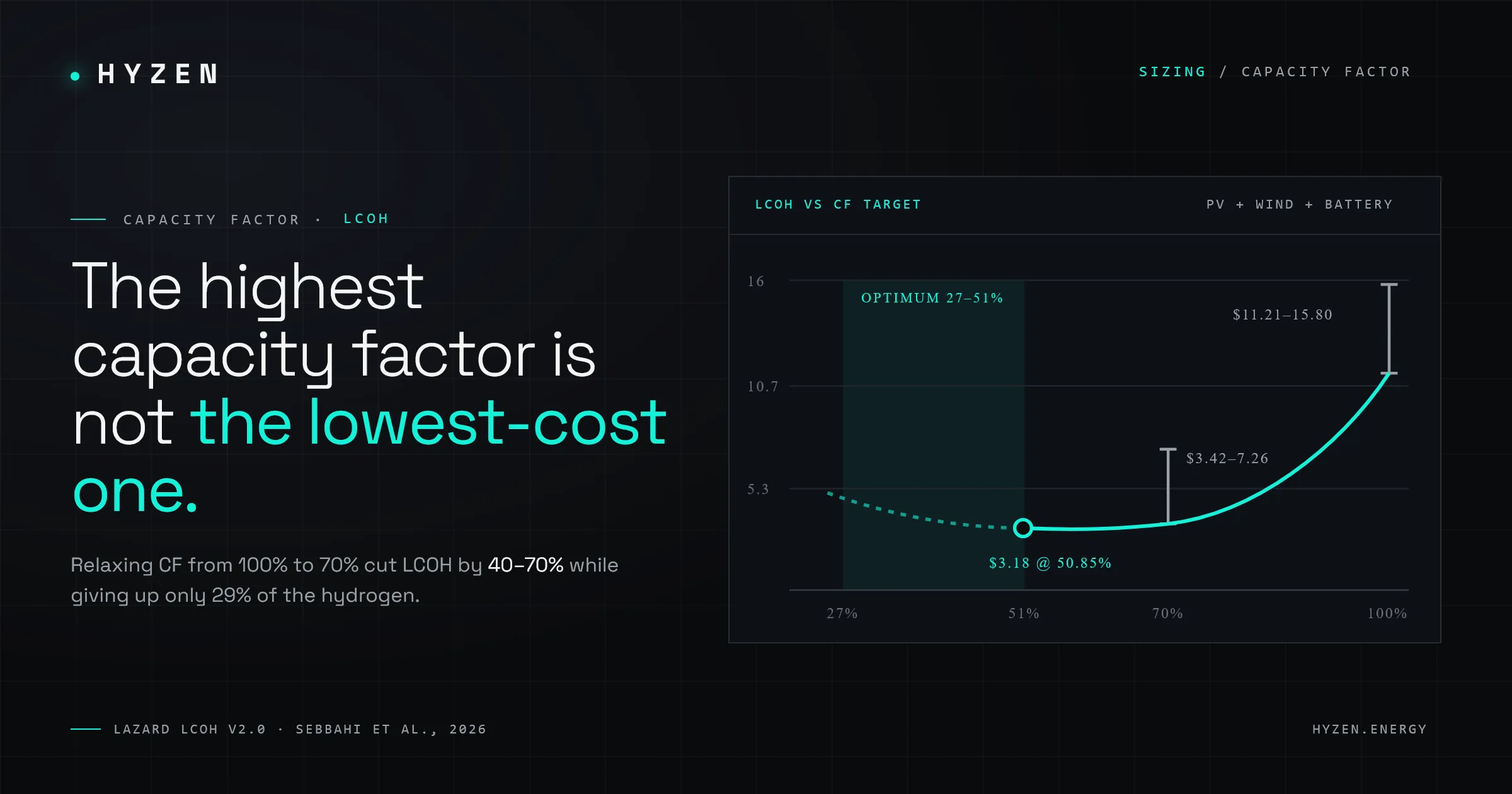 LCOH
Capacity Factor Optimization in Green Hydrogen: Why the Highest Utilization Is Not Always the Lowest Cost
Two bodies of published work reach opposite conclusions about what a higher electrolyzer capacity factor does to LCOH. Both are right. They differ in what they hold constant, and understanding that difference is the whole game at pre-FEED.
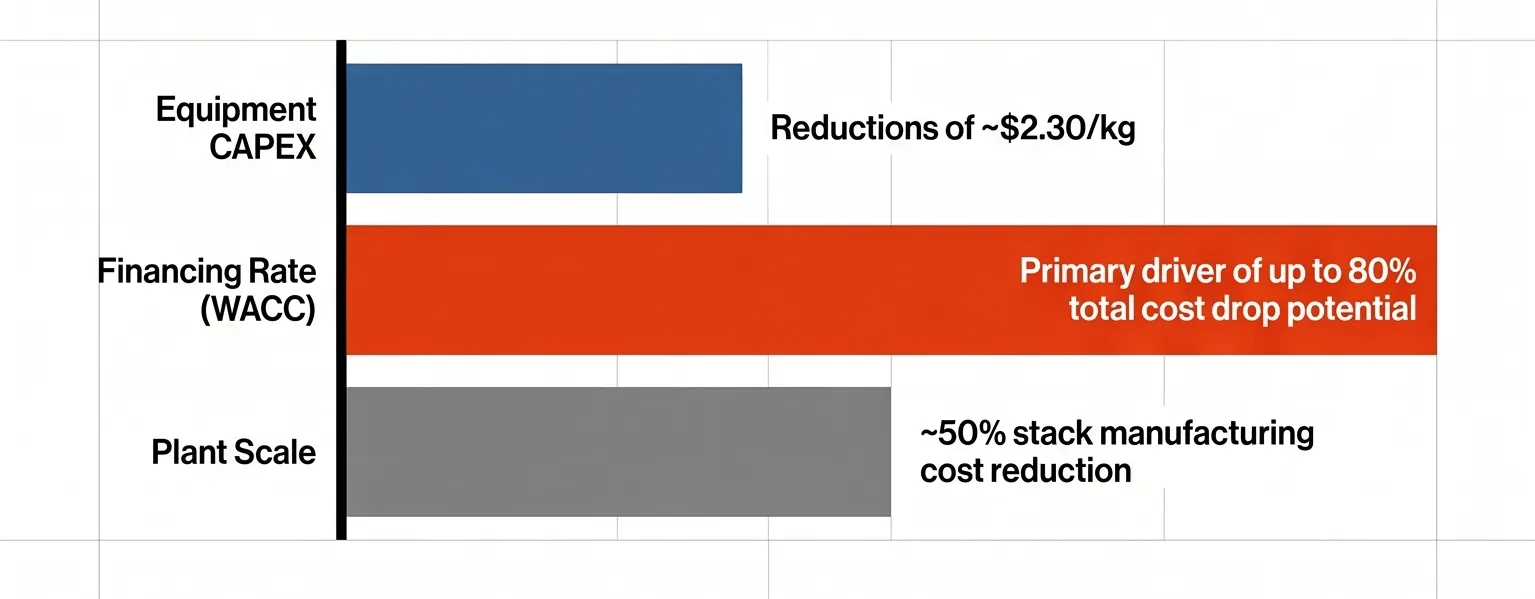 LCOH
Electrolyzer CAPEX vs. Discount Rate: Which One Actually Moves Your LCOH?
Most green hydrogen project teams spend months negotiating electrolyzer price per kilowatt. The sourced sensitivity data shows they have the priorities backwards: at commercial scale, financing terms move LCOH far more than the electrolyzer's sticker price.
About LCOH & Project Economics
The levelized cost of hydrogen (LCOH) is the number most green hydrogen decisions come back to. It spreads every cost over every kilogram the plant will produce, so it rewards good design and exposes optimistic assumptions. The articles in this category look at what moves it, and by how much.
Several of them test assumptions that are easy to get wrong at pre-FEED. Capacity factor vs LCOH explains why the highest utilization is not always the lowest cost. Electrolyzer CAPEX vs discount rate compares the price of the stack with the cost of the money that pays for it. Chinese electrolyzers explains why the price gap shrinks once the equipment is installed, and what that means for LCOH.
Policy sets prices too. European Hydrogen Bank auction results explains what the auction results mean, and how to price a bid in the next round. Each article shows its sources and works through the numbers, so the logic can be rerun with your own project inputs.
For the definitions behind the numbers, see the glossary entries for capacity factor, WACC and specific energy consumption. To check whether a location is worth modelling at all, start with the free Site Screener.